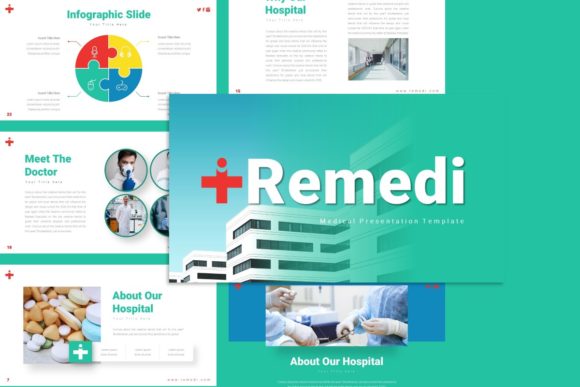
Remedi Medical Presentation Template: A Practical Guide to Professional Healthcare Decks
Creating a compelling visual narrative in the healthcare sector requires a delicate balance between clinical precision and engaging design. The Remedi Medical Presentation Template serves as a specialized tool for professionals who need to communicate complex medical data, business strategies, or educational content without getting bogged down in graphic design logistics. While the name suggests a strictly clinical focus, this template is surprisingly versatile, functioning effectively for creative agencies, corporate profiles, startups, pitch decks, and personal portfolios. However, simply downloading a high-quality asset does not guarantee a successful presentation. Many users inadvertently undermine the value of premium templates by overlooking technical specifications, mismanaging master slides, or failing to adapt the aesthetic to their specific audience.
Understanding the Scope Beyond Healthcare
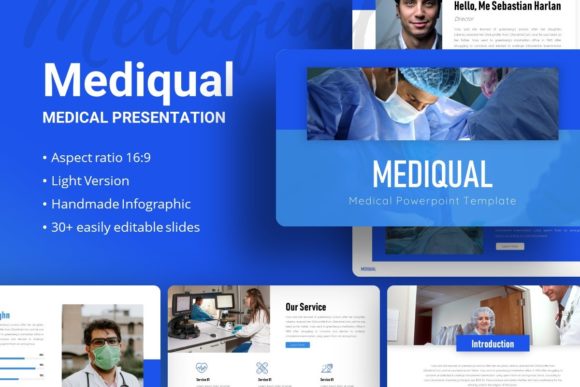
A common misconception when evaluating the Remedi Medical Presentation Template is assuming its utility ends at hospital administration or pharmaceutical pitches. While it excels in those areas, limiting your perspective can cause you to miss opportunities for broader application. The underlying structure supports diverse use cases including photography portfolios and creative agency showcases. This versatility stems from a clean, grid-based layout that prioritizes content hierarchy over thematic clutter.
If you are a freelancer or small business owner outside the medical field, do not dismiss this template based on its title. Instead, evaluate the slide architecture. The 35 included slides offer a robust framework for storytelling that transcends industry boundaries. The mistake lies in judging a template solely by its preview images rather than its structural flexibility. By recognizing the adaptable nature of these layouts, you can leverage professional-grade design infrastructure for non-medical projects, saving time and ensuring a polished look that generic templates often lack.
Navigating Master Slides and Customization Pitfalls
The most frequent error users make with any PowerPoint template, including Remedi, is editing individual slides rather than utilizing the Master Slide functionality. This approach leads to inconsistent formatting, wasted hours, and frustration when global changes fail to apply. The Remedi Medical Presentation Template is explicitly built on Master Slides to ensure efficiency. When you bypass this feature, you negate the primary benefit of purchasing a premium asset.
Before adding your content, take fifteen minutes to explore the Slide Master view. Understand where placeholders are anchored and how global styles are defined. If you need to change a color scheme or logo placement across all 35 slides, doing so through the Master Slide ensures pixel-perfect consistency. Editing slides individually creates a fragmented file that becomes difficult to update later. For teams collaborating on a pitch deck or company profile, this lack of standardization can result in a disjointed final product that looks unprofessional despite the high-quality source material.
Managing Graphics and Infographics Correctly
This template includes handcrafted infographics and pixel-perfect illustrations designed specifically within PowerPoint. A critical detail often overlooked is that these elements are vector-based and fully editable. Users frequently treat these graphics as static images, resizing them poorly or replacing them entirely with external PNGs that degrade in quality. This practice destroys the visual cohesion of the deck.
Instead, ungroup the native infographic elements to modify colors, shapes, and data points directly. Because they are vectors, they remain crisp at any size, which is essential for presentations that may be viewed on large screens or printed as handouts. If you replace these custom assets with generic clip art or low-resolution screenshots, the perceived value of your presentation drops significantly. Always check if an existing element can be adapted before importing new graphics. This maintains the intended design language and keeps file sizes manageable.
Evaluating File Inclusions and Licensing Realities
Disappointment often arises from mismatched expectations regarding what is actually included in the download. The documentation for the Remedi Medical Presentation Template clearly states that demo images are for preview purposes only and are not included in the files. Beginners and rushed professionals sometimes assume the stock photography is part of the package, leading to last-minute scrambles to source replacement visuals.
To avoid this disruption, audit your image assets before opening the template. The picture placeholders are designed for drag-and-drop functionality, but they require you to have appropriate content ready. Furthermore, verify the licensing terms for any medical imagery you intend to use. Just because the template has a placeholder for an X-ray or a doctor’s portrait does not grant you the right to use copyrighted medical photography. Sourcing compliant, high-quality images separately is a necessary step that protects you legally and ensures your presentation respects patient privacy and professional standards.
Assessing Technical Compatibility and Documentation
Another practical oversight involves neglecting the included documentation file. While PowerPoint is ubiquitous, advanced templates often utilize specific features, fonts, or icon sets that require proper setup. Skipping the documentation can lead to missing icons, broken links, or font substitution warnings that alter the layout.
Before committing to this template for a high-stakes startup pitch or corporate report, confirm that your version of PowerPoint supports the required features. The template includes vector icons and resizable graphics that perform best in modern versions of the software. Using outdated software may render certain editable elements static or cause alignment issues. Reading the documentation first allows you to troubleshoot potential compatibility issues in advance, ensuring a smooth workflow when deadlines are tight.
Making an Informed Decision for Your Project
Choosing the right presentation asset is about matching technical capabilities with communication goals. The Remedi Medical Presentation Template offers significant advantages through its 35-slide variety, editable vector content, and master slide architecture. However, its effectiveness depends entirely on your willingness to engage with these features correctly.
Ask yourself three questions before downloading:
- Do I have the time to learn the Master Slide structure? If you need a quick fix and refuse to learn proper PowerPoint workflows, a simpler, less structured template might actually serve you better.
- Have I secured my own visual assets? Remembering that preview images are excluded prevents workflow bottlenecks.
- Does the slide count match my narrative? Thirty-five slides provide ample room for comprehensive decks, but if you only need five slides, ensure you can extract and adapt them without breaking the design system.
By approaching this template with a corrective mindset—focusing on proper usage rather than superficial aesthetics—you transform it from a simple download into a sustainable communication asset. Whether you are presenting clinical research, launching a health-tech startup, or showcasing a creative portfolio, respecting the tool’s architecture ensures your message is delivered with the clarity and professionalism your audience expects. Avoid the shortcuts that lead to amateur results, and leverage the full depth of the Remedi Medical Presentation Template to create work that stands up to scrutiny.